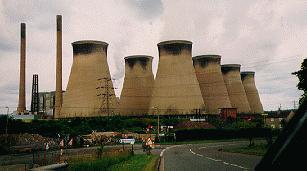
Acid rain is precipitation that has been polluted by emissions of sulphur dioxide (SO2) and/or oxides of nitrogen (NOx) in the atmosphere. In the atmosphere, these oxides react with water vapour and form sulphuric acid and nitric acid. The components subsequently fall down to the earth in the form of rain or snow, or as dry depositions as SO2, sulphuric or nitrogen salts.
SO2 and NOx can be naturally found in the atmosphere. Industrialisation has however, led to a dramatic increase of these substances.
The sources are basically the burning of fossil fuel: coal, oil and gas. The major part of this combustion comes from coal-fuelled powerplants, road traffic, ships and metallurgic or ferro-alloy industry. In Norway, most of the acid precipitation comes from emissions of SO2 and NOx in Great Britain, Central Europe and Russia.
Consequences of acid rain
- adverse effects on life in fresh water
- damages to vegetation
- corrosive damages to buildings
- Washing out of minerals from the ground